Adil Raza Khan | March 29, 2025

Have you ever wondered about the ins and outs of renting your perfect space in Dubai's bustling landscape?
Guide for Renting Property in Dubai. Whether it’s a stylish apartment, a cozy studio, or a spacious two-bedroom haven – finding your ideal rental in this vibrant city might seem like a puzzle waiting to be solved. Fear not! We’re here to demystify the entire process for you. Join us as we delve into the various property types, step-by-step renting process, legal insights, and the costs and fees of renting in Dubai to guide you from start to finish and ensure a smooth rental experience in Dubai.
Guide for Renting Property in Dubai. Dubai offers a variety of properties for rent options ranging from mid-range and affordable accommodations to luxurious properties available for rent, the city ensures a diverse selection.
Dubai’s residential property market offers diverse options for every preference and budget. These include:
Office Spaces – These cater to businesses of all sizes and styles, from co-working spaces to Grade A offices in iconic locations like the Burj Khalifa and DIFC.
Dubai boasts luxurious properties such as:
Contrary to what most people think, Dubai offers affordable housing options like:
That being said, apartments for rent in Dubai is considered the most affordable housing option in Dubai's real estate market. There’s an array of choices when it comes to cheap apartments for rent in Dubai. They come in various types and sizes, catering to diverse preferences:
Studio Flats:
Compact yet functional, studio for rent in Dubai encompass a single open-plan space featuring a living area, bedroom, kitchenette, and bathroom. They are popular among individuals seeking an efficient living setup.
1 to 2-Bedroom Apartment for rent in Dubai:
More spacious than studios, these apartments offer separate rooms for living, sleeping, and cooking. They cater to families or individuals looking for larger living spaces within the city.
Guide for Renting Property in Dubai. Kickstart your hunt for the perfect residence by exploring available listings on renowned platforms. Listings encompass a variety of residential property types such as apartments, townhouses, villas, penthouses, and hotel apartments, each catering to unique preferences and budgets. Listings offer detailed information, including annual rent, location, room count, furnished or unfurnished status, amenities, nearby facilities, and more.
Arrange viewings with agents or landlords once you’ve shortlisted potential properties.
After evaluating various apartments for rent in Dubai or other residentials, finalize your choice and negotiate lease terms. Landlords often offer lower annual rent for fewer cheque payments, but ensure your commitment aligns with the duration of the lease.
Guide for Renting Property in Dubai. Reserve your chosen property by paying a refundable security deposit (typically one month’s rent or 5% of the rent). Ensure to obtain a receipt for the deposit, preserving it for future reference or potential refund purposes.
Carefully review the tenancy contract for your rental property ensuring it complies with Dubai’s tenancy laws. Verify that all agreed-upon terms are clearly stated and understood by both parties. Upon mutual agreement, sign the contract, submit rent cheques, agency commission, and obtain receipts for each payment.
Register your tenancy contract with Ejari to establish its legal validity in Dubai. Essential documents for registration include the original tenancy contract, landlord’s title deed, passport copies of both tenant and landlord, and the tenant’s Emirates ID.
Initiate the setup for Dubai Electricity and Water Authority (DEWA) services to activate water and electricity connections in your new residence. Pay the necessary security deposit and activation charges through DEWA’s online portal for a swift setup.
Guide for Renting Property in Dubai. Renting a home in Dubai involves an important decision. It is choosing between furnished or unfurnished property. This choice is influenced by personal preferences, budget constraints, and individual needs, both offering their own advantages and drawbacks.
Guide for Renting Property in Dubai. Before entering into any agreements for your chosen property, it's imperative to familiarize yourself with the tenancy laws overseen by the Real Estate Regulatory Agency (RERA). RERA holds a significant role in overseeing and regulating the relationship between landlords and tenants in Dubai.
RERA’s tenancy laws offer an extensive guide for both tenants and landlords. According to Article 4 of Law No. (33) of 2008, registering tenancy contracts with RERA via Ejari ensures singular lease agreements per property. Furthermore, Article 6 facilitates an automatic extension of the contract if the tenant continues occupancy after the contract’s expiry, on the same terms for up to one year.
Landlords are legally obliged to deliver properties in good condition and allow full tenant usage as per the contract (Article 15). Responsibilities encompass maintenance, repairs, and necessary restoration during the tenancy period (Article 16). Additionally, Article 18 necessitates landlords to provide requisite permits for property-related alterations for your apartment for rent in Dubai or any rental properties you chose.

Before thinking of Renting Property in Dubai, there are several considerations to think through to ensure a comfortable and suitable living arrangement.
The city offers diverse property types, including apartments for rent in Dubai, villas, townhouses, office spaces, retail spaces, and warehouses. These cater to various needs, preferences, and budget ranges.
DAMAC Hills offers various property types. That is, including villas, townhouses, and apartments, within a golf-centric community.
The renting process in Dubai involves searching and shortlisting properties, visiting and evaluating chosen properties, making an offer, reserving the property with a security deposit, signing the tenancy agreement, registering the contract with Ejari, and setting up DEWA services.
Before renting in Dubai, it's crucial to understand RERA's tenancy laws that outline the rights and responsibilities of tenants and landlords. These laws cover contract registration, extensions, landlord obligations for property maintenance, and tenant rights during the tenancy period.

WRITTEN BY
Adil Khan is a Dubai luxury real estate expert with over 13 years of experience in the UAE property market. He is the Chairman of APIL Properties.

The Best Waterfront Communities in Dubai define ultra-luxury living, combining oceanfront serenity, futuristic architecture, and the strongest property returns in the UAE.
These communities have influenced and will continue to influence the city's global luxury identity in 2025. Such residential areas consist of palm-shaped islands and villas facing the lagoons; the waterfront developments offer a full-package lifestyle.
These communities combine tranquil waterfronts, international-level architecture, and great returns on investments – making them the best homes and investments worldwide.
Based on the data by Dubai Land Department (DLD) – the waterfront areas experienced a 13% per annum property transactions growth in 2025 which indicates the enduring popularity of the coastal living.
With the expertise of the APIL Properties, here is the detailed preview of the most on-demand waterfront addresses that are redefining Dubai real estate this year.
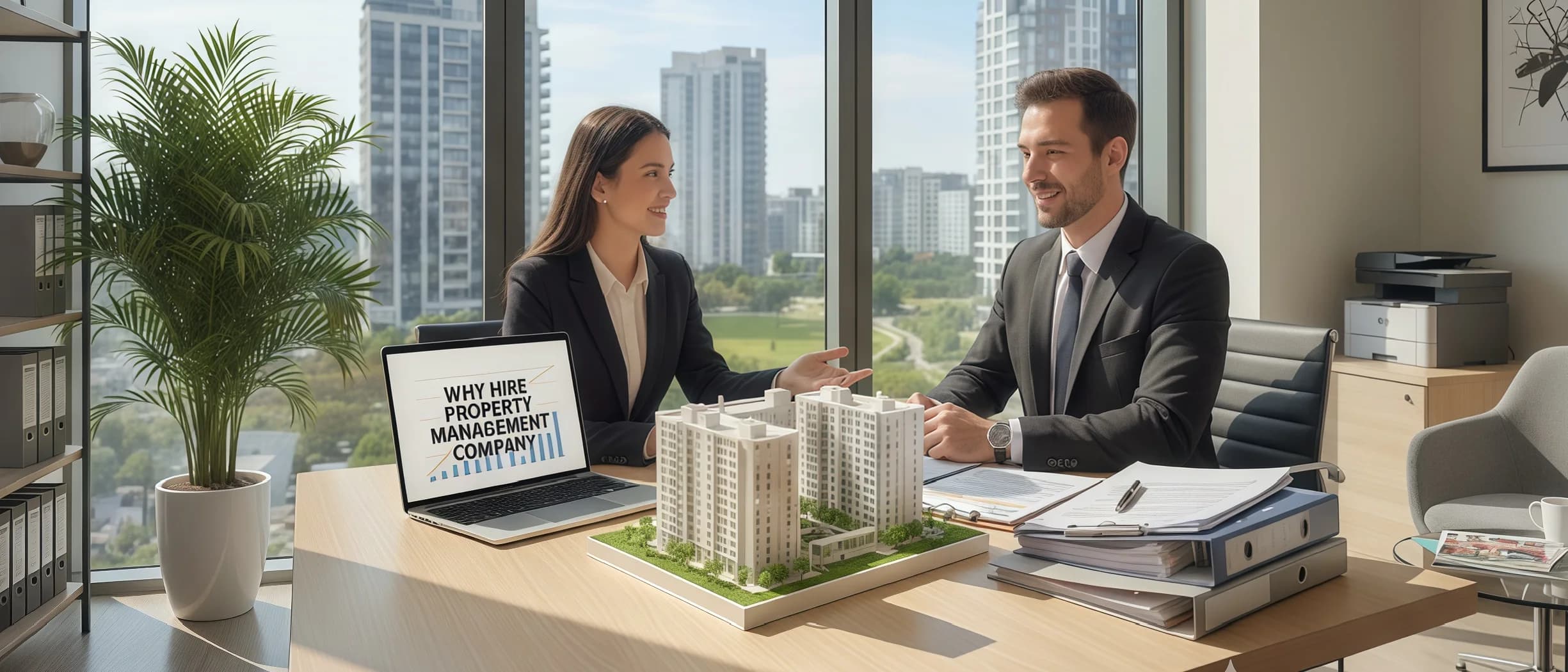
Property ownership in Dubai can be very profitable; however, when taken up individually, it may translate into lost opportunities and financial deficits without a right Property Management Company in Dubai – especially in 2025-26.
A property management company in Dubai – like APIL Properties, will secure your investment, ensure good tenant screening, and maximize rental income. It makes ownership easy, whether it is handling maintenance requests and legal compliance or effectively marketing your property.
It does not matter whether you are the owner of a villa, apartment or commercial property; collaborating with a professional property management company in Dubai will save time and stress and increase returns.
Experts can recognise growth prospects, maximize rents, and even give information on potential investment areas in Dubai. For HNWIs and foreign investors, employing a property management firm in Dubai is a sure way of observing all the RERA regulations and generating a consistent income.
Let’s see more about how and why the appropriate selection of a property management company in Dubai guarantees the long-term growth of your asset and secures your investment in a competitive market.
_1760189431.webp&w=3840&q=75)
Before we tell you about Meraas Solaya at La Mer, a new waterfront launch in Dubai, let us tell you something fascinating first!
Did you know – the Dubai ultra-luxury real estate market has surged more than 147% in value since 2020? As of the first half of 2025 – $2.6 billion worth of properties priced above AED 36 million were sold. This clearly indicates the booming interest in exclusive beach living in the city.
Within such impressive development, Meraas Solaya at La Mer Dubai is positioned to be among the most highly anticipated luxury property releases of 2025, transforming the definition of the coastal style and contemporary lifestyle in Jumeirah 1.
Developed by Meraas, one of Dubai's most recognised and design-oriented developers, this luxury residential project offers 234 limited residences in nine low-rise buildings.
Be it a lifestyle buyer or an investor who wants high capital appreciation in the long run, Solaya offers a rare chance in the luxury property market of Dubai.
This guide at APIL Properties Dubai provides verified project details, updated price ranges, official payment plans, and an in-depth market analysis of Solaya at La Mer. It also offers the opportunity to download Solaya Brochure exclusively!